
Printing Onto Mugs: The Complete Guide for Australian Businesses and Schools
Discover everything you need to know about printing onto mugs in Australia — decoration methods, MOQs, costs, and tips for getting the best results.

Written by
Theo Rodriguez
Drinkware
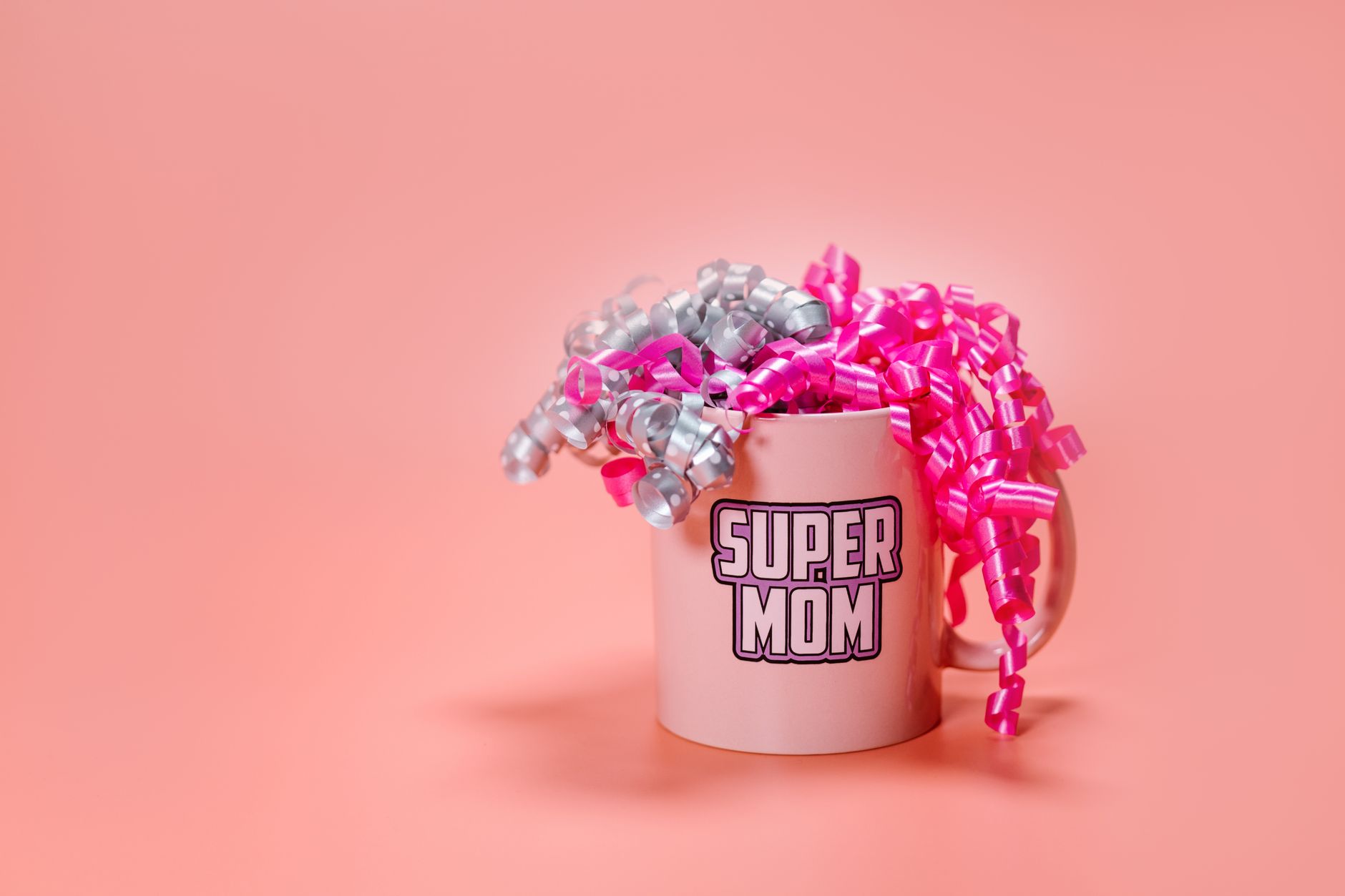
There’s something undeniably satisfying about a great branded mug. Whether it’s sitting on a desk in a Sydney CBD office, warming hands at a school staff room in Adelaide, or being handed out at a Brisbane conference, a well-printed mug delivers your brand message dozens of times a day — every single time it’s used. If you’re exploring printing onto mugs for the first time, or you’ve ordered before and want better results, this guide covers everything from decoration methods and minimum order quantities to budgeting and turnaround times.
Why Branded Mugs Remain One of Australia’s Most Popular Promotional Products
Despite the explosion of tech accessories, eco drinkware, and novelty giveaways in recent years, the humble printed mug continues to hold its own as a promotional staple. The reason is simple: mugs are used daily, in workplaces and homes across Australia, and they have a large printable surface area that showcases your logo or message clearly.
For corporate businesses, branded mugs make excellent client gifts, staff onboarding items, and conference giveaways. For schools — from primary schools in Perth to secondary colleges in Melbourne — they’re a thoughtful end-of-year gift for teachers or a fundraising product for parent groups. Sporting clubs love them as member appreciation gifts. Charities and not-for-profits use them to raise awareness and funds during campaigns.
The versatility is part of the appeal. Unlike a promotional t-shirt or a specialised product, almost everyone uses a mug. That near-universal appeal, combined with a relatively low cost per unit in bulk, makes branded mugs a smart investment across nearly every sector.
Before you dive into ordering, though, it’s worth understanding how printing onto mugs actually works — because the decoration method you choose will directly affect the quality, durability, and final look of your product.
The Main Methods for Printing Onto Mugs
Not all mug printing is the same. The method used will depend on the mug material, the complexity of your artwork, your budget, and how many units you need. Here’s a breakdown of the most common techniques used in Australia.
Sublimation Printing
Sublimation is arguably the most popular method for printing onto mugs in Australia, and for good reason. The process uses heat and pressure to transfer dye directly into the surface of a specially coated mug — typically white ceramic or polymer-coated. Because the ink becomes part of the mug surface rather than sitting on top of it, the result is incredibly vibrant, full-colour imagery that won’t crack, peel, or fade with regular washing.
Sublimation is ideal when you need photographic-quality prints, full-wrap designs, or designs with gradients and multiple colours. It’s especially popular for real estate agencies wanting lifestyle imagery, schools creating personalised teacher gifts, and event organisers needing eye-catching conference merchandise.
One key limitation: sublimation works best on white or very light-coloured mugs. Dark mugs don’t sublimate well because the dye isn’t visible against the darker background.
Pad Printing
Pad printing is a cost-effective option for simpler designs — typically one or two spot colours. A silicone pad picks up ink from an etched plate and transfers it onto the curved surface of the mug. It’s well-suited to straightforward logos, text-based designs, and situations where budget is a priority.
Minimum order quantities for pad printing are often lower than sublimation, sometimes starting from as few as 50 units, which makes it appealing for smaller organisations like community groups in Darwin or Hobart, or a local Gold Coast business wanting a modest run of branded mugs.
Wrap-Around Digital Printing
Some suppliers offer direct digital printing onto mugs, which allows for more detailed imagery without the need for sublimation coating. This method is growing in popularity across Australia and bridges the gap between pad printing and full sublimation. It’s particularly effective for organisations wanting high-detail logos or multi-colour artwork without committing to the minimums that sublimation setups sometimes require.
Laser Engraving
While not strictly “printing,” laser engraving is worth mentioning because it’s frequently used on stainless steel and double-walled mugs. Rather than adding colour, engraving removes material to reveal the base metal beneath. The effect is premium and long-lasting — ideal for executive gifts, corporate awards, or high-end client appreciation items. If you’re looking at mugs as part of a broader drinkware range, it’s useful to read our guide to top-rated personalised mugs in Australia for a comprehensive overview of options available locally.
Understanding Minimum Order Quantities, Costs, and Turnaround Times
Minimum Order Quantities (MOQs)
MOQs vary depending on the supplier and the decoration method. As a general guide:
- Pad printing: 50–100 units is a common starting point
- Sublimation: Often 24–50 units, though some suppliers will go lower
- Laser engraving (stainless mugs): Can sometimes start as low as 12–25 units
- Full digital printing: Varies widely; check with your supplier
If you’re a school P&C committee in Canberra ordering for a small fundraiser, or a startup in Melbourne needing just a couple of dozen mugs for a product launch, it’s worth confirming MOQs early in the process to avoid surprises.
Pricing and Budget Considerations
Branded mugs generally range from around $4–$5 per unit at the budget end (basic ceramic with pad printing, large quantities) up to $15–$25+ per unit for premium stainless double-wall options with sublimation or laser engraving. Setup fees — which cover artwork preparation, screen creation, or digital file processing — typically range from $40 to $100+ per colour or per design, depending on the supplier.
Bulk pricing tiers mean your cost per unit drops significantly as volume increases. If your Brisbane organisation is debating between 100 and 250 mugs, it’s often worth running the numbers — the per-unit saving at higher quantities can be substantial.
Turnaround Times
Standard production turnaround for printed mugs in Australia is typically 10–15 business days after artwork approval. Rush orders may be available but often incur additional fees. If you have a hard deadline — a conference, a school event, an end-of-financial-year gift run — always communicate that upfront and build in buffer time for proof approvals, shipping, and any unforeseen production delays. For events-based ordering, our roundup of spring corporate giveaways in Australia includes helpful planning timelines worth bookmarking.
Artwork Preparation: Getting It Right for Mug Printing
Poor artwork is one of the most common causes of disappointing print results. Here’s what to prepare before submitting your order:
- Vector files are preferred: AI, EPS, or PDF formats ensure your logo scales without pixelation
- Minimum resolution for raster files: 300 DPI at print size — anything lower will appear blurry
- Colour specifications: If PMS (Pantone) colour matching matters to your brand, provide PMS codes. For sublimation, CMYK values are typically used
- Safe zones and wrap dimensions: Ask your supplier for a mug template showing the printable area, especially for wrap-around designs
- Proof approval: Always request a digital proof before production begins and review it carefully
Choosing the Right Mug for Your Audience
The mug itself matters as much as the print. Here are a few common options and their ideal use cases:
Standard ceramic mugs (11oz or 15oz) are the classic choice — affordable, widely available, and perfectly suited to sublimation and pad printing. Great for corporate gifting, school events, and promotional campaigns.
Coloured ceramic mugs add visual interest but limit decoration options. Inner-coloured mugs (coloured inside, white outside) work well with sublimation on the exterior.
Travel mugs and keep cups appeal to environmentally conscious audiences and align well with sustainability messaging. If your organisation is focused on eco initiatives, these pair naturally with other sustainable merchandise — worth exploring alongside options covered in our article on wheat straw branded merchandise in Australia and our guide to reusable drink bottles.
Stainless steel double-wall mugs are premium options ideal for executive gifts and high-value client presentations.
Practical Tips for Ordering Printed Mugs in Australia
Whether you’re a corporate events manager in Sydney or a school coordinator in Perth, these practical tips will help your mug printing project go smoothly:
-
Order samples first. Most suppliers offer pre-production samples or stock samples. Handling the physical product before committing to a large order prevents costly mistakes.
-
Consolidate your order. If you’re ordering mugs alongside other branded merchandise, check whether your supplier can bundle items — sometimes freight and setup savings are available. You might be looking at mugs alongside other drinkware like protein shaker bottles or exploring the full range of promotional products available in Western Australia.
-
Check washing instructions. Sublimated and pad-printed mugs generally handle dishwashers differently. Some finishes are dishwasher-safe; others should be hand-washed to preserve the print. Always communicate care instructions to recipients.
-
Plan your packaging. Mugs shipped in bulk are typically individually wrapped in bubble wrap or foam for protection. For premium gift presentations, gift boxes can usually be added at an additional cost.
-
Allow time for artwork revisions. Especially if your logo needs to be redrawn as a vector file, factor in a few extra days before the production clock starts.
For organisations managing broader merchandise campaigns, it’s also worth thinking about how mugs fit into a wider product mix. Our overview of trade show promotional product effectiveness statistics highlights why drinkware consistently ranks among the most recalled promotional items at Australian expos and events.
Conclusion: Key Takeaways for Printing Onto Mugs
Printing onto mugs is one of the most reliable, cost-effective ways to get your brand in front of people every single day. Whether you’re a corporate team in Melbourne, a school in Brisbane, or a not-for-profit running awareness campaigns in Hobart, the right printed mug — done well — delivers lasting brand impressions at a fraction of the cost of other marketing channels.
Here are the key points to take away:
- Choose your decoration method based on design complexity: Sublimation for full-colour and photographic quality; pad printing for simple, budget-friendly single or two-colour logos; laser engraving for premium stainless options.
- Prepare your artwork correctly: Supply vector files where possible, confirm PMS or CMYK colour codes, and always review a digital proof before approving production.
- Plan around MOQs and lead times: Standard turnaround is 10–15 business days after proof approval — start early, especially for event deadlines.
- Match the mug to your audience: Ceramic for everyday gifting, travel mugs for eco-conscious recipients, and stainless double-wall for executive presentations.
- Think about the full picture: Branded mugs work best as part of a cohesive merchandise strategy — consider how they complement other items in your campaign or gifting programme.
With the right supplier, solid artwork, and a clear brief, your printed mugs will be making an impression — one coffee at a time.